

Artificial turf, a surface crafted from durable synthetic fibers engineered to replicate the look and feel of natural grass, has transitioned from a specialized option to a mainstream choice for sports facilities, residential yards, commercial landscapes, and public spaces worldwide. Since its groundbreaking public debut in 1966, when AstroTurf was installed in Houston’s Astrodome—marking the first time synthetic grass was used in a major sports venue—it has undergone remarkable technological advancements to enhance its appearance, safety, and long-term durability, closing the gap between synthetic and natural grass.
One of its most compelling advantages is its minimal maintenance requirements. Unlike natural grass, which demands regular mowing, frequent watering, periodic fertilization, and pesticide applications to stay lush, artificial turf needs only occasional cleaning to remove debris, saving both time and money for homeowners, facility managers, and municipalities. Beyond cost savings, it also conserves water—a vital benefit in regions plagued by drought or water scarcity. Modern turf systems, equipped with longer, softer fibers and infill materials such as sand or recycled rubber, not only closely mimic the texture and color of natural grass but also offer superior resilience against heavy foot traffic, making them perfect for sports like football, baseball, golf, and even playgrounds.
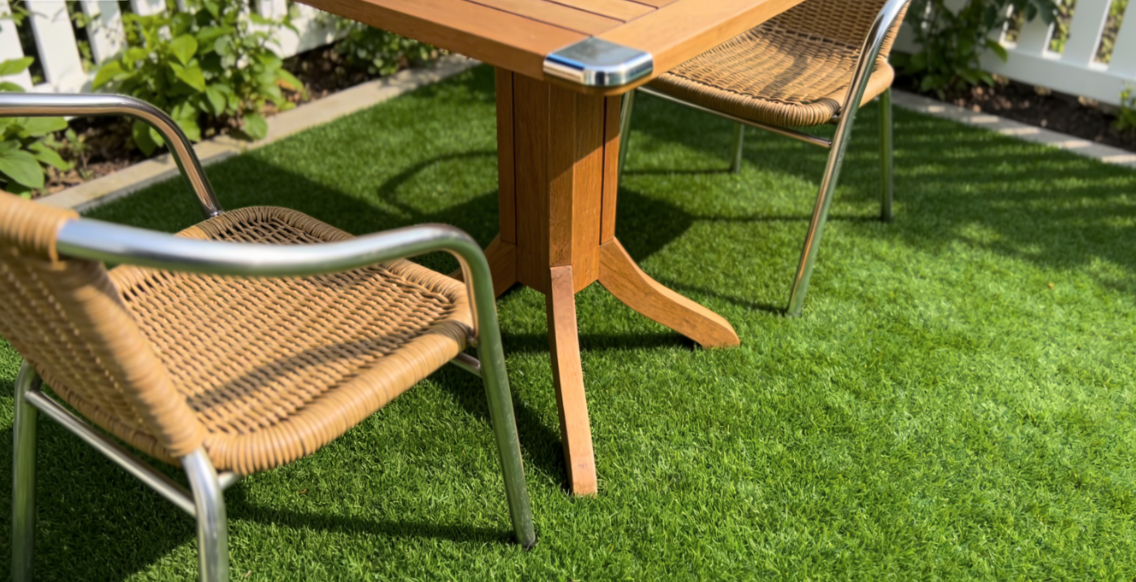
However, artificial turf is not without its drawbacks. Key concerns include higher surface temperatures in direct sunlight, which can make it uncomfortable to use during hot weather, and potential health risks associated with chemicals in traditional infill materials. Fortunately, modern innovations have addressed these issues: heat-reducing fibers and cooling infill options help lower surface temperatures, while eco-friendly, non-toxic infill alternatives have made the product safer for both humans and pets. Additionally, while the initial installation cost is higher than that of natural grass, its long lifespan of 10 to 15 years—with proper care—often makes it a cost-effective investment in the long run.
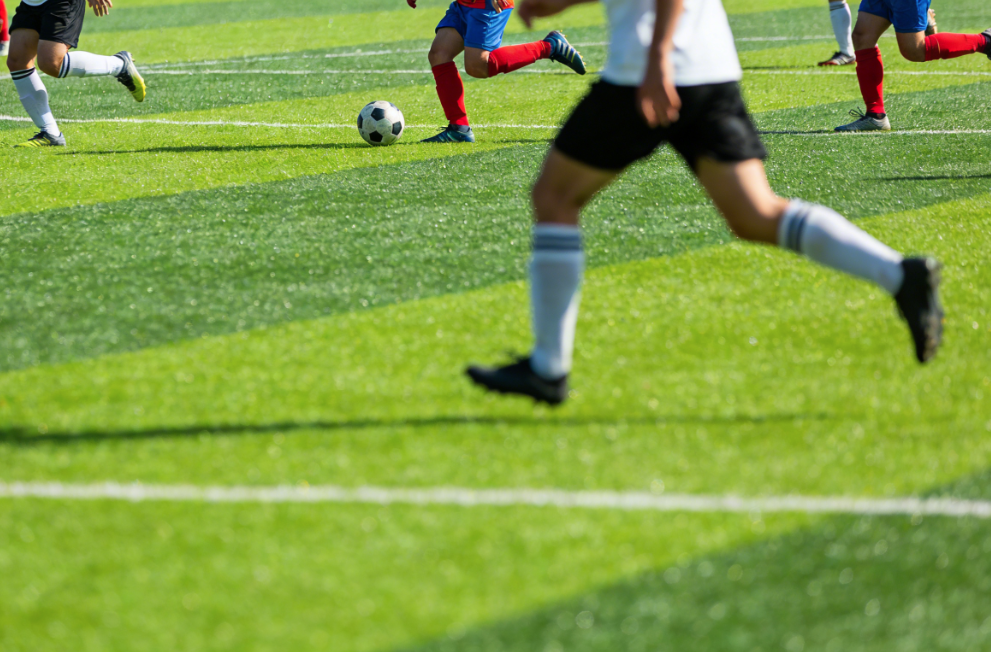
Today, artificial turf successfully balances functionality, sustainability, and aesthetics. It eliminates harmful chemical runoff that can pollute soil and water, reduces fuel consumption from lawnmowers, and many modern systems are made from recyclable materials, aligning with global sustainability goals. From cozy residential backyards to professional sports stadiums, artificial turf provides a consistently lush, green surface year-round, regardless of weather conditions, with minimal upkeep—solidifying its position as a practical, versatile solution for modern lifestyles and diverse applications.
Post time: Mar-17-2026