

In the evolving landscape of non-woven fabrics, double color (green/black) non-woven fabric has emerged as a high-demand product, favored by industries worldwide for its unique combination of functionality, aesthetics, and environmental friendliness. Unlike traditional single-color non-woven fabrics, this dual-tone variant integrates the practicality of black with the natural appeal of green, making it suitable for a wide range of applications—from agriculture and gardening to packaging, hygiene, and industrial uses. Crafted with advanced production technology and high-quality raw materials, it delivers reliable performance while meeting the growing global demand for sustainable and cost-effective textile solutions.
Product Overview and Core Features
Double color (green/black) non-woven fabric is a fabric-like material composed of staple or continuous fibers bonded together through mechanical, thermal, or chemical processes, without the need for spinning or weaving—as defined by international textile standards. Its key distinguishing feature is the dual-color design: one side is green, and the other is black, each color serving a specific functional purpose while complementing the other aesthetically. The fabric is typically made from 100% polypropylene (PP) or viscose rayon, materials known for their durability, lightweight nature, and eco-friendly properties, including biodegradability in specific formulations.
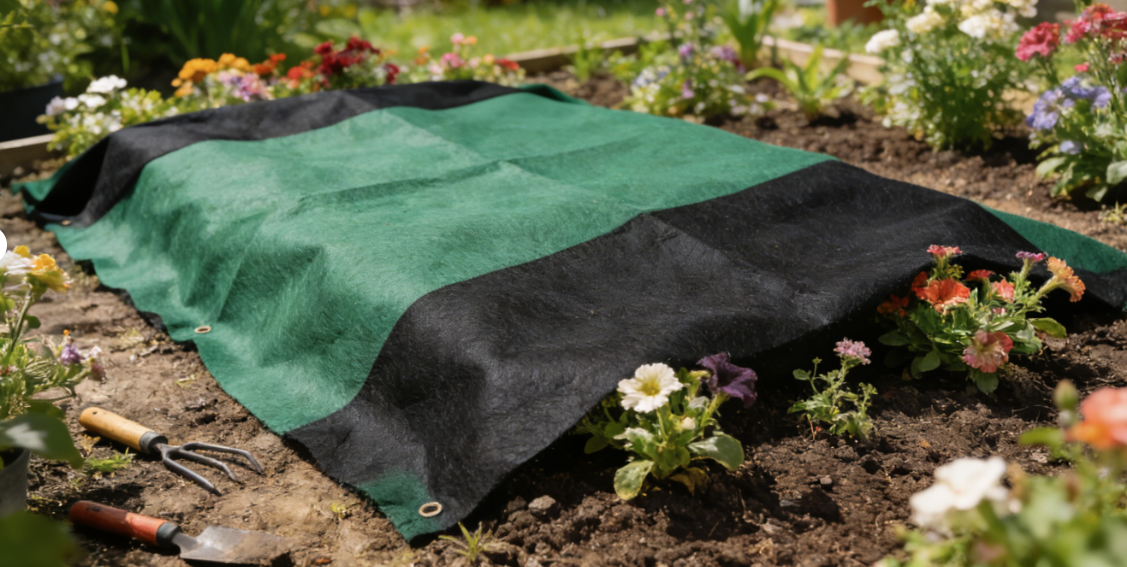
The core features of this double color non-woven fabric include:
- Dual-Color Functionality: The black side effectively blocks sunlight, making it ideal for applications requiring light insulation—such as weed control in agriculture—while the green side blends seamlessly with natural environments, enhancing visual appeal in gardening and landscaping projects. This dual functionality eliminates the need for additional coloring or coating, reducing production costs and environmental impact.
- Exceptional Durability: With high tensile strength, tear resistance, and anti-static properties, the fabric can withstand harsh environmental conditions, including UV radiation, moisture, and mechanical wear. It maintains its structural integrity even in long-term outdoor use, outperforming many traditional woven fabrics in terms of robustness.
- Eco-Friendly and Sustainable: Made from non-toxic, recyclable, and often biodegradable materials, it aligns with global sustainability trends and永续农业 (sustainable agriculture) goals. The production process uses fewer chemicals and dyes compared to conventional woven fabrics, minimizing environmental pollution. For eco-conscious applications, biodegradable variants are available to reduce plastic waste in agricultural and landscaping settings.
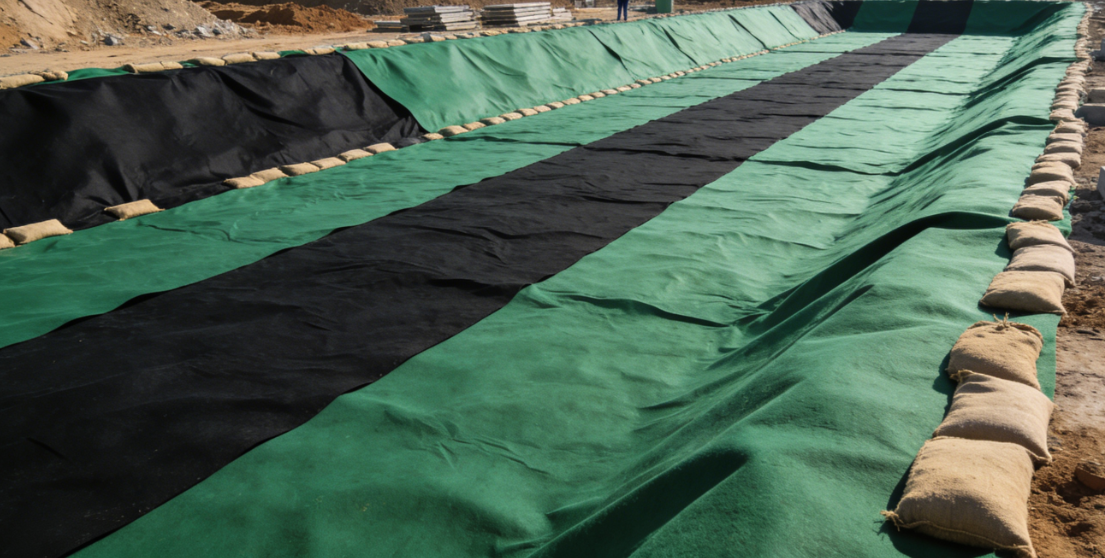
- Versatile Performance: The fabric is breathable, water-permeable (or waterproof, depending on treatment), and can be customized with additional properties such as anti-bacterial, flame-retardant, or hydrophilic features to suit specific industry needs. It is also lightweight and easy to cut, install, and transport, improving operational efficiency for users.
- Customizable Specifications: To meet diverse customer requirements, the fabric is available in various grammages (10-200 g/m²), widths (0.8m-1.5m as standard, customizable up to wider sizes), and lengths (50m-300m). It can also be produced with different patterns, such as diamond or plain, and adjusted for thickness and softness according to application needs.
Post time: Feb-06-2026